Osteopathy
-
Osteopathy is the study of the body as a whole, in its entirety, which takes into account the relation between the different systems (muscle and skeletal system, visceral, craniosacral) and the ways they affect each other: pain in the right shoulder could be due, for example, to a dysfunction in the liver that, at the same time, could be caused by unhealthy eating or an emotional or stressful situation maintained through time.
-
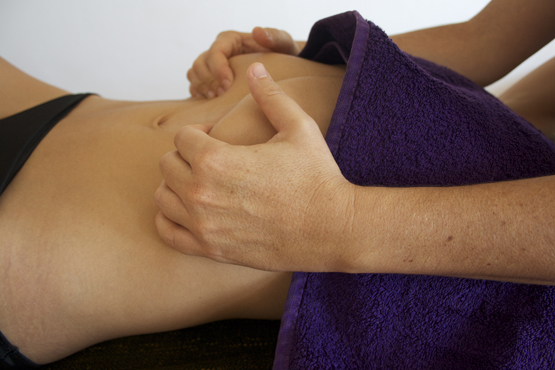
From this study derives the manual therapeutic practice that seeks to restore the mobility of the structures and organs; it is about identifying where the restrictions or blockages we often carry in our bodies from old lesions, traumatisms, tensions and or compensations that some areas generate to compensate the lack of movement of others, and determine which are affecting the persistence of the symptom (pain, unease, functional limitations, etcetera) that the person expresses during my consultation.
-
In this practice there is a structural branch focused on the more external part of the organism, where strong, active and precise manipulations are required, and a functional branch where the work is done more subtly, through a profound listening of the body accompanying the fascial tissues. One branch or the other is chosen, at each moment, depending on each person and their needs.
- Finally, our ethic as therapists is based on the maximum respect towards the person’s body, and the recognition that the cure does not come so much from the work of the therapist, but rather from the process the person does in their own body. As Still, the ‘father of Osteopathy’, said, the best any osteopath can do for a patient is to make operative the forces that exist within the body. Find the origin of the lesion, treat it, and let the organism do its work.